Andrew Moss
B.A. (Hons.), M.A., J.D.
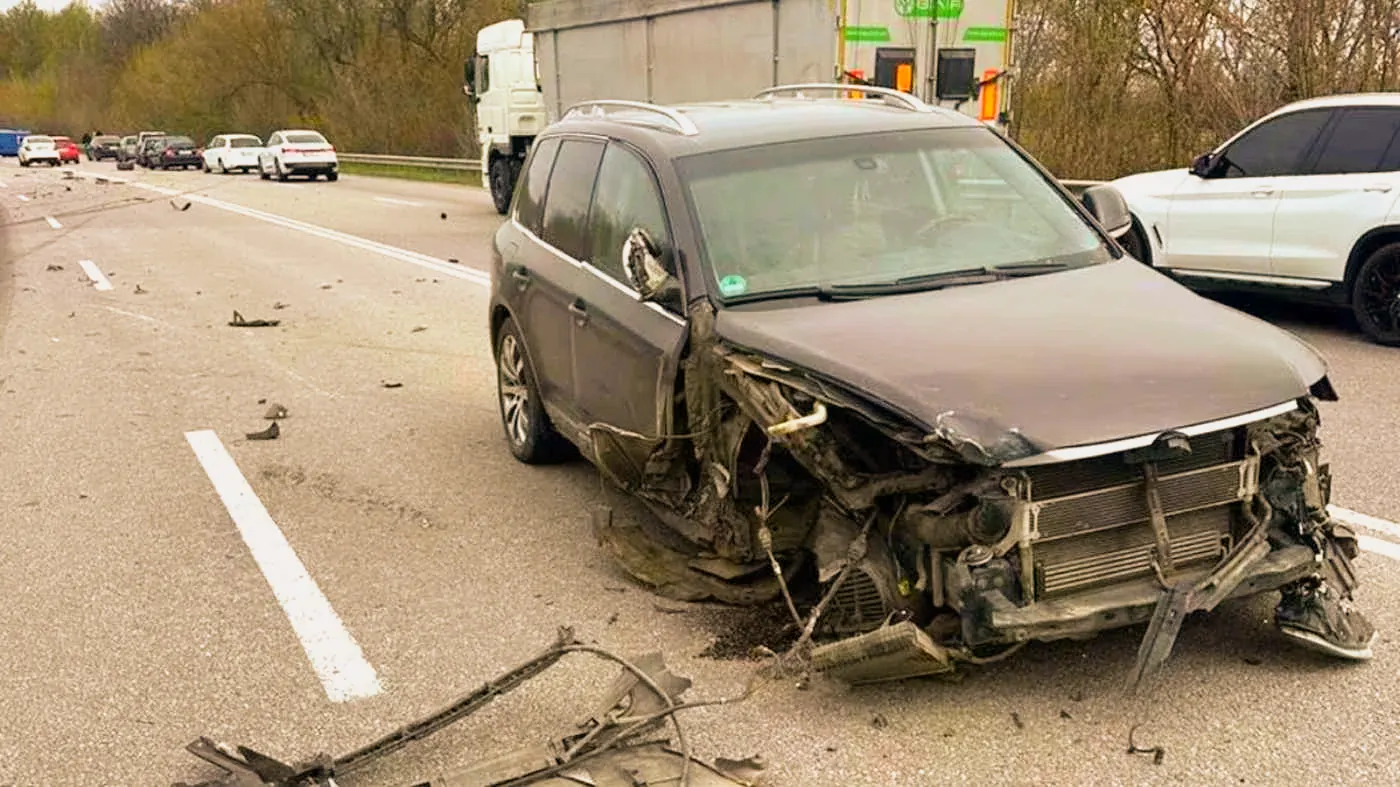

Side-by-side vehicles, also known as SxS or UTVs, have become part of everyday life in New Brunswick, used for weekend riding, hunting, farm work and job sites, and on hundreds of kilometres of managed trail. They are also unforgiving when something goes wrong. A rollover, trail collision or passenger ejection can cause serious injuries, including broken bones, spinal cord injuries and brain injuries, in seconds. Moss Hachey Law represents injured parties across New Brunswick in side-by-side accident claims and other off-road vehicle injury cases.
Who is responsible for a UTV accident depends on where and how it happened. Another operator’s careless riding, a landowner or trail organization that failed to maintain or mark a known hazard, or a defect in the machine itself, a product liability claim against the manufacturer or dealer, can each shift liability somewhere different. When a side-by-side collides with a road-going vehicle, motor vehicle insurance and New Brunswick’s standard automobile coverage may also apply.
Depending on the circumstances, an ATV accident claim or other off-road vehicle accident claim may also involve multiple insurance policies and potentially more than one responsible party.
The firm investigates how the crash happened, documents the accident scene, identifies every party that may be liable, and deals with the insurers, the evidence and the deadlines from start to finish. We also work to establish medical expenses, lost wages and other losses resulting from the injury, so the client can focus on recovering rather than fighting an insurance claim.
Get yourself and your passengers to a safe spot away from traffic, unstable ground or a machine that is still running, and call for emergency services. Rollovers often trap occupants under the cage or the vehicle, if you are injured or pinned, wait for trained help rather than trying to free yourself and risk making the injury worse.
Get assessed as soon as possible, even if the injuries seem minor. Adrenaline masks a great deal, and head, neck and internal injuries are not always obvious at the scene. Prompt medical attention creates an important record of your injuries, while gaps in treatment are often raised by insurers when evaluating personal injury claims.
Photograph the vehicles from several angles, the terrain, the trail surface, any hazard or obstruction involved, and your visible injuries. Note the weather, the light and the ground conditions. Collect names and contact information for the other operator, any passengers, witnesses, and the trail authority or club if one manages the area. If the accident involved a motor vehicle, photograph the vehicles, damage and roadway conditions as well.
Report the accident to police if anyone is injured or there is significant property damage. If it happened on a managed trail, report it to the trail operator or club as well. Their incident record, maintenance log and signage history can matter a great deal later.
Before giving a statement to any insurer or signing anything, speak with a lawyer. Off-road vehicle accident claims often involve several parties and more than one insurance policy, and early statements are difficult to walk back. Moss Hachey Law will protect your rights from the outset and build your personal injury claim properly.
B.A. (Hons.), M.A., J.D.
B.A. (Hons.) LLB
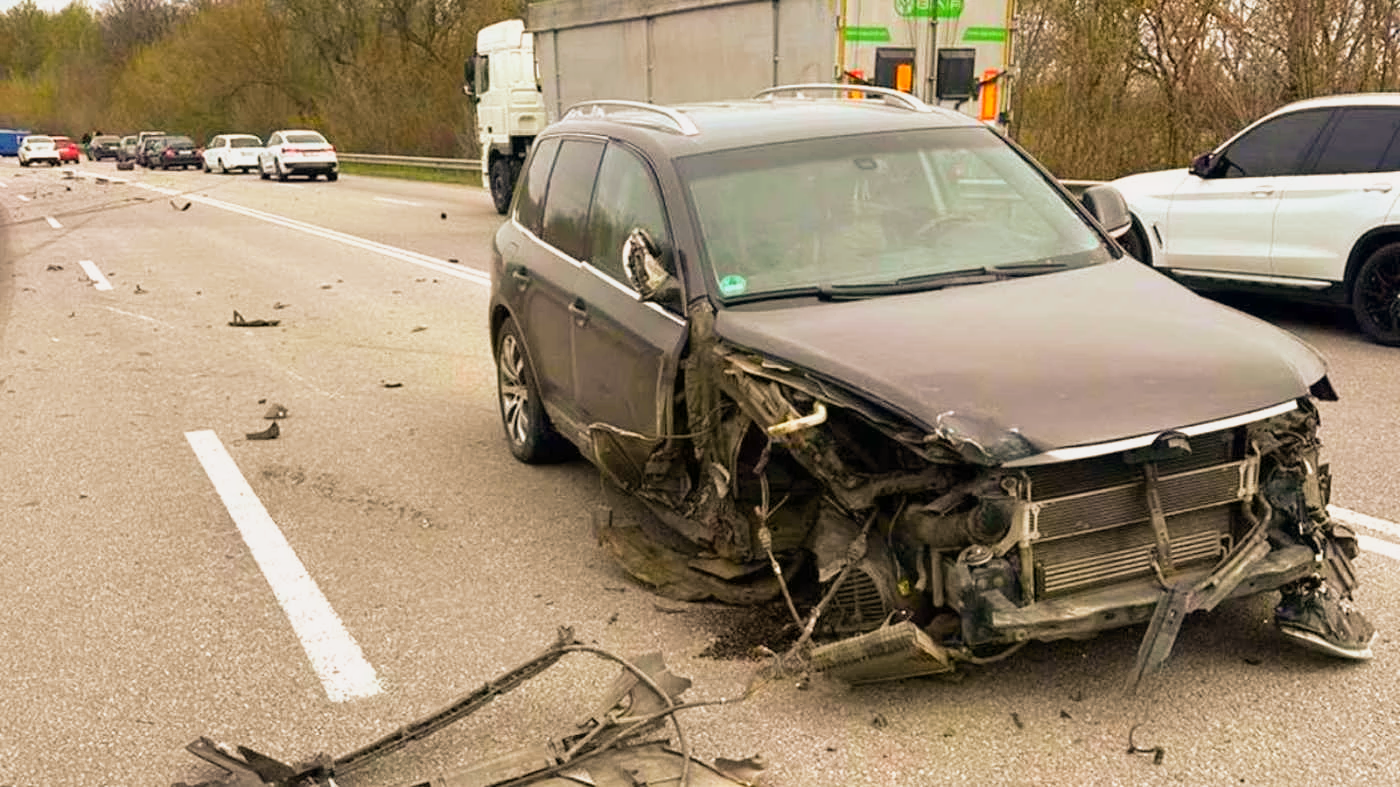
The firm handles personal injury claims arising from the full range of off-road vehicles, including side-by-sides, ATVs and snowmobiles, and knows how New Brunswick’s off-road and trail rules apply to them. This experience also helps when an ATV accident claim involves similar liability and insurance issues.
From the other operator’s insurance to a homeowner’s policy, a trail organization’s coverage or a product liability claim against the manufacturer, the firm looks for every avenue of recovery. We review the relevant insurance details and policies to determine where compensation may be available.
Insurers routinely treat off-road claims as low-value or dispute them as an assumed risk. Moss Hachey Law negotiates assertively, backed by properly documented evidence, so clients are not pushed into accepting less than fair compensation for their injuries and losses.
Clients work directly with the firm’s lawyers, not assistants or intermediaries. Calls are returned, questions are answered plainly, and every file receives personal attention.
The firm works on a contingency fee basis: no legal fees unless compensation is recovered. Getting advice after a side-by-side accident costs nothing.


Responsibility depends on the cause. It may be the other operator, the driver of the side-by-side you were riding in, a landowner or trail manager who allowed an unmarked hazard to remain, or the manufacturer if a defect in the vehicle, including the steering, brakes, roll cage or restraints, contributed to the crash. If the collision happened on or near a roadway, a motor vehicle driver and their auto insurer may also be involved. More than one party can share fault in the same accident. In more complex cases, accident reconstruction specialists may also be consulted to help determine how the collision occurred.
Insurance requirements depend on where and how the vehicle is operated. Off-road vehicles used on public roadways or on managed trail systems are generally required to carry coverage, while a machine used only on private property may be treated differently. Coverage can also come from a homeowner’s policy or another party’s insurance. A lawyer can review the applicable insurance policies, coverage and other insurance details to identify which policies may respond to your claim.
Rollovers are the most dangerous scenario, particularly when an occupant is partly outside the cage. Common injuries include head trauma and concussion, spinal and neck injuries, crush injuries to arms and legs, fractures, serious lacerations and internal injuries. These serious injuries can result in significant medical expenses, lost wages and long-term impairment. In severe cases, the result is permanent impairment or a long-term inability to return to the same work.
Yes. A passenger injured because of the operator’s negligence or another party’s fault can bring a claim against the responsible party and their insurer. Many clients hesitate because the operator is a friend or a family member; in practice the claim is generally paid by an insurance policy rather than out of that person’s pocket.
Limitation periods apply under New Brunswick’s Limitation of Actions Act, and missing one can end a claim regardless of how strong it is. Different deadlines can apply depending on who is responsible, so the safest approach is to speak with a lawyer as soon as possible, while the scene, the machine and the witnesses can still be properly documented.